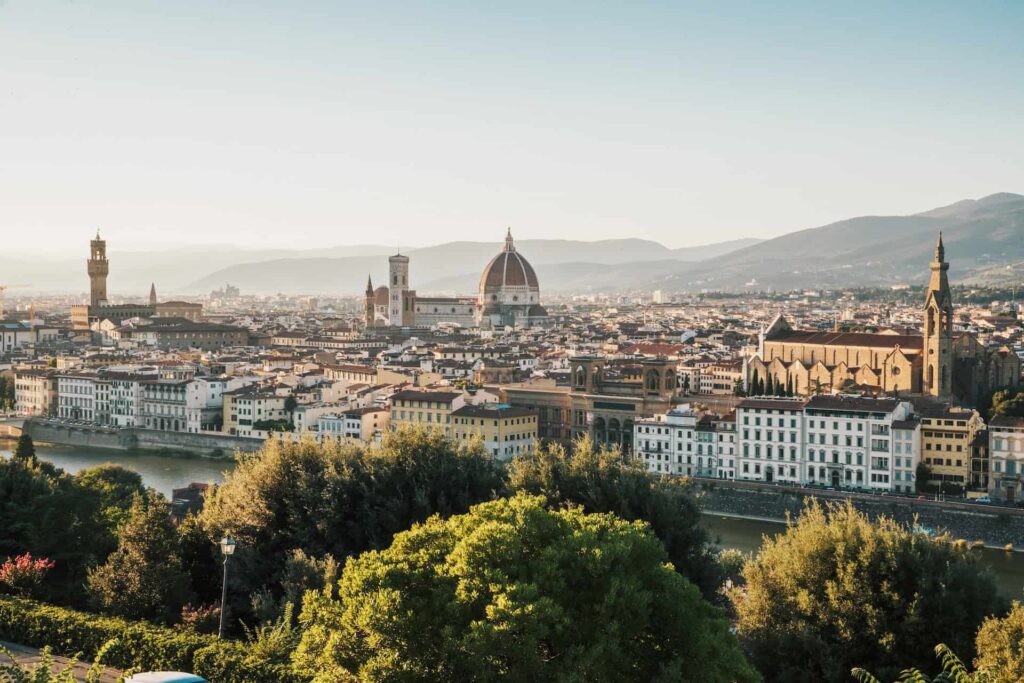



When you plan a trip to Florence, you imagine days spent walking through squares, bridges, and historic streets. Then, a few days before departure, you check the weather… and get the bad news: rain!
It’s a common situation. Maybe it won’t rain all the time, but knowing that one or more days could be wet immediately raises the same question: what can I do in Florence if it rains?
The good news is that Florence works very well even on rainy days. Many of its most interesting places are within a short walking distance, and some of the most fascinating spots to visit are indoors: museums, churches, historic palaces, covered markets, and small cafés where you can relax for a while.
In some cases, rain even becomes an opportunity to do something you might have postponed on a sunny day: visiting a museum at a slower pace, stepping into a historic church, or enjoying a quiet moment in a café while it rains outside.
Let me give you a few tips to make the most of your trip!
Florence in the rain shouldn’t be skipped – Just experienced differently!
Much of the city’s charm comes from wandering slowly through its streets. But if the weather changes, it doesn’t mean your plans have to fall apart. You can simply reorganize your day.
It might be the perfect moment to visit one of the city’s major museums, explore a historic palace, or spend more time discovering a covered market. Florence has many places that are ideal for rainy weather, and they are often located right in the areas you were already planning to visit.
There’s also something many travelers only notice once they arrive: Florence in the rain has a unique atmosphere. Squares become quieter, streets less crowded, and the historic center takes on a slower rhythm.
So instead of seeing rain as a problem, it can be helpful to think of it as a different way to experience the city.
What to see in Florence if it rains for a few hours
If rain is expected only for a few hours, you probably won’t need to completely change your plans. In many cases, it’s enough to move indoor visits to the worst weather hours and keep outdoor walks for later.
Florence Cathedral and the Opera del Duomo Museum
One of the easiest areas to manage is around the Duomo. Here, several attractions are just minutes apart and perfect for staying indoors. Visiting Florence Cathedral (Santa Maria del Fiore) is often a natural choice.
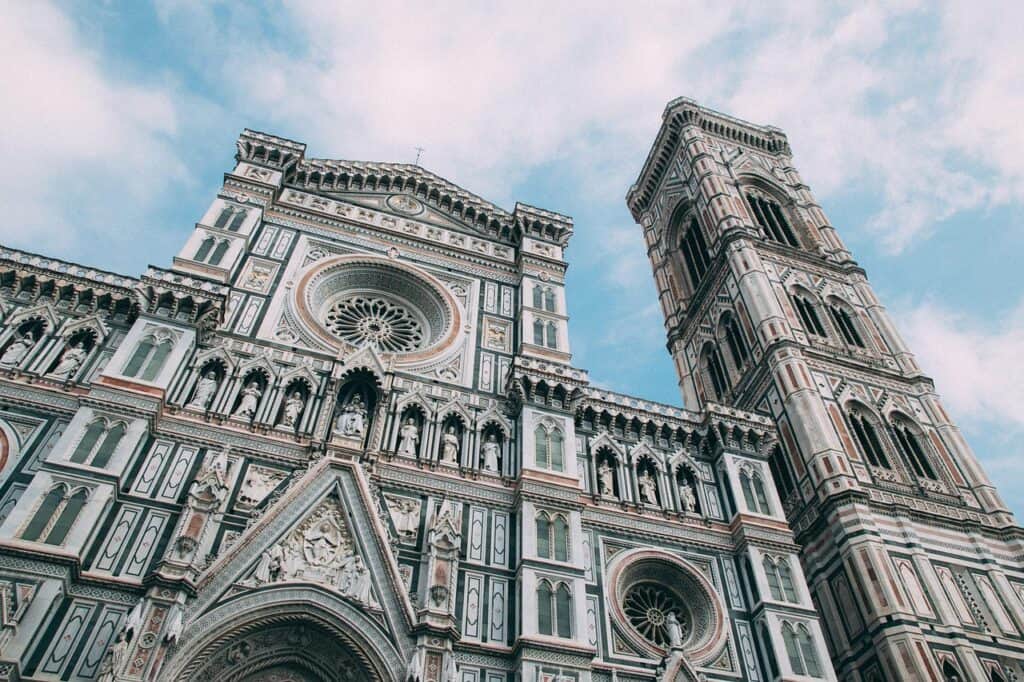
You can also explore the Opera del Duomo Museum, which houses important works related to the cathedral’s history and helps you better understand how one of Florence’s most iconic landmarks was built.
Historic churches in the city center
Another option is simply to step into one of the many historic churches. In Florence, they are not just places of worship but true art treasures.
The Basilica of Santa Croce, for example, holds the tombs of figures like Michelangelo and Galileo, while Santa Maria Novella is famous for its frescoes and large cloister.
Covered markets
If you prefer something more casual, you can spend rainy time in one of the city’s covered markets. The Mercato Centrale, in the San Lorenzo district, is one of the most popular: on the ground floor you’ll find traditional market stalls, while upstairs there are plenty of places to eat or simply sit and wait for the weather to improve.
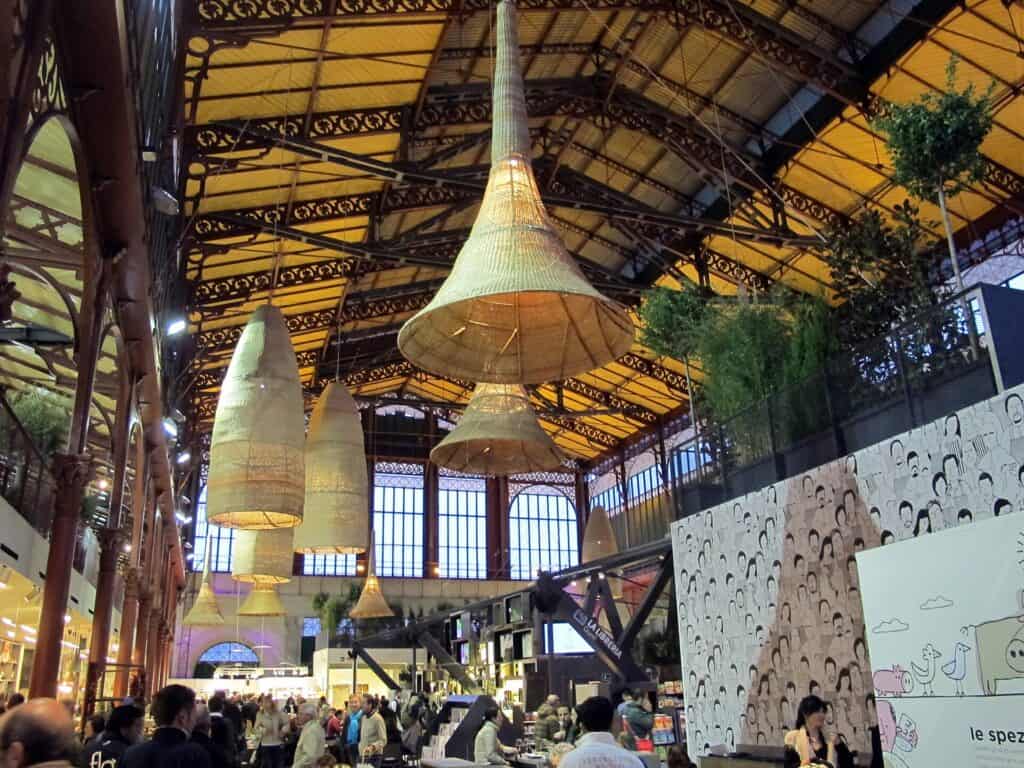
Sometimes that’s all you need: take a break, slow down, and let the rain pass. Florence is compact, and often after a couple of hours the sky clears again.
What to do in Florence if it rains all day
If rain is expected for most of the day, the best option is to choose one or two places that deserve a longer visit, turning bad weather into an opportunity.
The classic choice: the Uffizi Gallery
A classic option is the Uffizi Gallery. Even if it wasn’t in your original plan, a rainy day is perfect for visiting it at a relaxed pace.

The museum houses some of the most important works of the Italian Renaissance, including Botticelli’s Birth of Venus and Primavera, as well as works by Leonardo da Vinci, Michelangelo, Raphael, and Caravaggio. The visit takes time, making it ideal when the weather keeps you indoors.
Palazzo Vecchio
Another great alternative is Palazzo Vecchio, the imposing building overlooking Piazza della Signoria.

For centuries, it was the center of Florence’s political power. Inside, you can explore richly decorated rooms like the Salone dei Cinquecento, one of the most impressive halls of the Renaissance. It’s also a great way to learn more about the Medici family and Florence’s historical role.
Museo Galileo
If you’re interested in science and discovery, consider the Museo Galileo, located near the Uffizi along the Arno River.
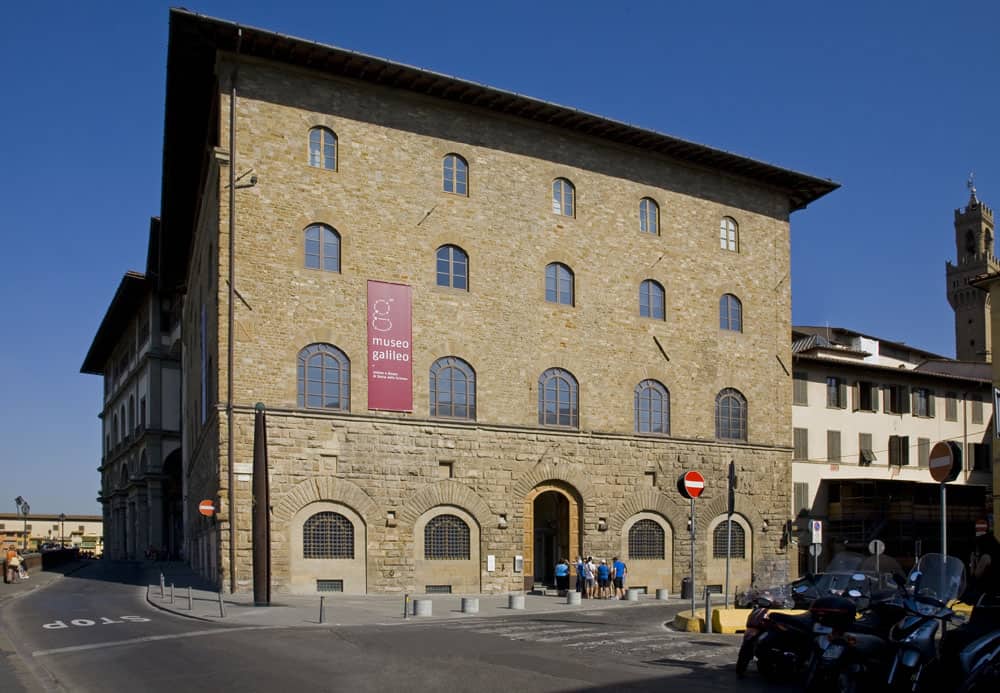
It houses an extraordinary collection of scientific instruments, including telescopes and objects that belonged to Galileo himself. It offers a fascinating look at a lesser-known side of Florence’s history.
Palazzo Strozzi
Another option is Palazzo Strozzi, one of the most elegant Renaissance palaces in the city. Its exhibition spaces host temporary shows dedicated to modern and contemporary art, often with international scope.
HZERO
If you’re traveling with children—or simply want something lighter—you can visit HZERO, a museum dedicated to model trains.

It features one of the largest railway models in Europe, with detailed scenery and moving trains. It’s a fun and surprising experience, even for adults.
What if the weather changes suddenly?
Weather can be unpredictable when traveling. A sunny morning might turn rainy in the afternoon—or forecasts might seem terrible but end up being just short showers.
In these cases, don’t completely change your plans—just adapt them.
A simple strategy is to schedule indoor visits during the worst weather hours. Florence offers many places where you can easily spend two or three hours: museums like the Uffizi, the Opera del Duomo Museum, or Palazzo Vecchio are perfect for this.
Another useful tip is to adjust the order of your activities. If you planned a walk along the Arno or up to Piazzale Michelangelo, you can postpone it and focus on indoor visits first.
Florence makes this easy because many attractions are close to each other. Distances between the Duomo, Piazza della Signoria, Santa Croce, and Santa Maria Novella are short, so you can move quickly even in the rain.
It’s also helpful to plan a “covered break”: if it starts raining, you can stop at a historic café, a bookstore, or a market. Often, after 30–60 minutes, the weather improves.
And one important thing: rain in Florence rarely lasts all day. Even when forecasts look bad, showers are often intermittent.
A different way to experience the city
When planning a trip to Florence, most people imagine sunshine and long walks through beautiful streets. But the city has so much to offer even on rainy days.
Museums, churches, historic palaces, covered markets, and small cafés make it easy to find something to do while the weather changes. Sometimes, stepping inside one of these places turns a rainy moment into a memorable part of your trip.
And there’s something special many travelers only notice once they arrive: Florence in the rain feels calmer, quieter, and more intimate.
So if it rains during your stay, don’t see it as a problem. It’s simply another way to discover the city.